

Subtotal $0.00

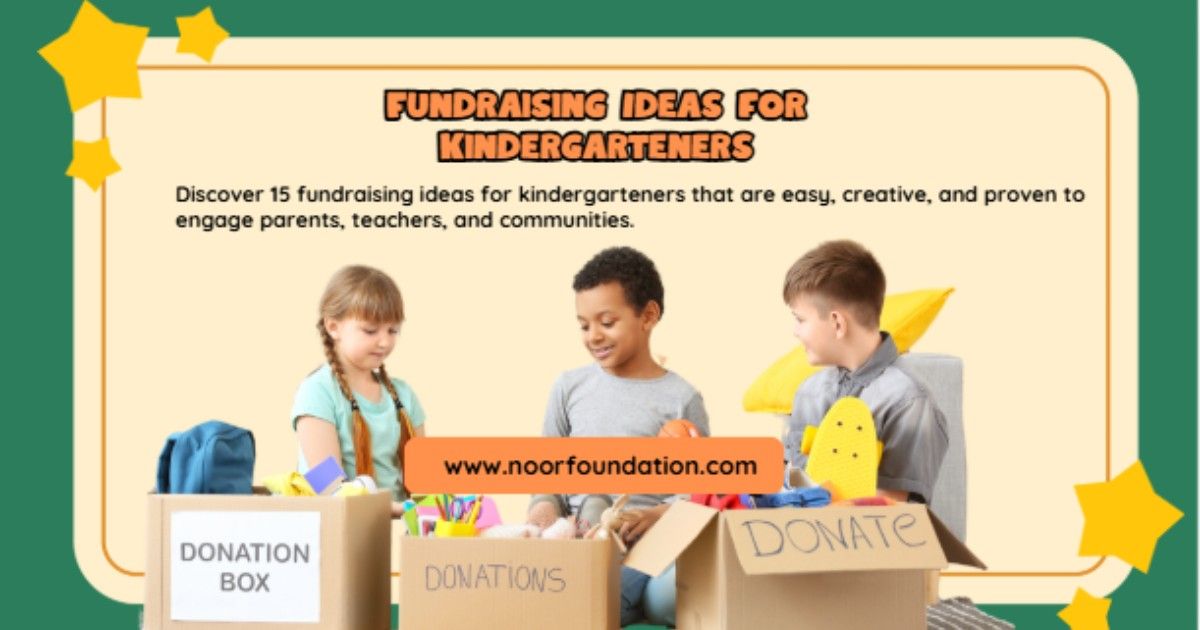
Fundraising Ideas for Kindergarteners is not just about raising money; it also educates children about values such as teamwork, generosity, creativity, and community support. Young children learn at an early age that a little bit can be a lot. Be it to replenish classroom materials, host school activities, benefit a non-profit, or enhance learning materials, the right fundraising approach can unite parents, teachers, and communities.
Fundraising Ideas for Kindergarteners is not just about raising money; it also educates children about values such as teamwork, generosity, creativity, and community support. Fundraising activities for young children can teach early lessons in cooperation and social responsibility. Young children learn at an early age that a little bit can be a lot.
The 15 fundraising ideas explored below are simple to organize, inexpensive, and highly engaging, making them best suited for kindergarten classrooms and early learning centers.
The Importance of Fundraising Ideas for Kindergarteners
It is essential to understand the reasons why fundraising is a valuable element in the early education process before delving into the concepts.
By engaging children in fundraising, they become aware:
- Cooperation and teamwork
- Basic financial awareness
- Trust and interaction proficiency.
- Social responsibility
- The joy of helping others
By engaging children in fundraising, they become aware: Cooperation and teamwork, basic financial awareness, trust and interaction proficiency, social responsibility, and the joy of helping others. Schools can also consult a foundation specialist to structure safe and effective classroom fundraising programs.
1. Bake Sale
A timeless classic bake sale is one of the most effective ways of raising funds in schools.
Request that parents bring simple homemade products, such as cookies, brownies, cupcakes, or muffins. Establish a colorful table at the school during pick-up time.
Why it works:
Affordable treats are popular with people, and parents are typically willing to contribute to school activities.
Pro Tip: Serve small portions so that it all seems affordable.
2. Art Sale
Kindergarten children enjoy making art. Why not make their art a type of fundraiser?
Make children draw pictures, make cards or other simple crafts. Place them in a mini-gallery and ask parents to buy their child’s masterpiece.
Bonus Benefit:
Parents are fond of sentimental souvenirs so that this fundraising will be both emotional and practical.
3. Read-A-Thon
Promote early literacy and raise funds.
The children have a reading target and receive small rewards from family members based on the number of books they read.
Why it works:
Parents firmly believe in education-related activities.
Additional hint: Issue participation certificates to ensure that the level of motivation remains high.
4. Fun Run or Mini Walkathon
Allow children to expend their energy on a mission.
Arrange a brief, controlled walk/run on the school premises. Families can commit to promoting involvement rather than isolation.
Advantages:
- Promotes physical activity
- Builds excitement
- Easy to organize
- Highly visible
A festival atmosphere is to be added to the picture, with music and balloons.
5. Penny Drive
Nothing fancy, but in a way so strong.
Installation of collection jars in the classrooms and requesting the children to bring coins they have at the end of the week.
Make it a friendly interclass competition to increase participation.
Why it succeeds:
Families can easily cope with small donations.
6. School Supply Kits
Create ready-made sets of crayons, pencils, notebooks and stickers.
Offload them at a slight premium to those parents who are already intending to purchase supplies.
Win-Win:
Schools easily raise money, and parents save time.
7. Storytime Event
A special storytelling event with teachers, outside readers, or members of the community.
The entrance fee can be charged, or voluntary contributions can be recommended.
Make it magical with:
- Costumes
- Floor cushions
- Soft lighting
- Interactive storytelling
The experiences drive more participation than product sales.
8. Craft Fair
Ask families to bring homemade items such as friendship bracelets, bookmarks, or plain ornaments.
Install booths and have kids assist in running the Fair under supervision.
Key Benefit:
Fosters innovation and enhances the relationships between the schools and the community.
9. Movie Afternoon
Turn a classroom into a small theater.
Choose a movie of interest that is animated, offer popcorn, and sell the tickets at a low price.
Minimal efforts + Mass attendance = Good fundraiser.
Consider offering snack packages to boost sales.
10. Dress-Up Day
Kids adore costumes.
Choose fun themes like:
- Superheroes
- Favorite animals
- Pajama day
- Career day
Request a small contribution to participation.
This concept is particularly efficient because the planning process is kept minimal while the excitement is maximized.
11. Plant Sale
Educate on the importance of the environment and create awareness through fundraising ideas for kindergarteners.
Sell small potted plants, flowers or herb kits that children can decorate.
Parents will love fundraisers that deliver long-term value rather than those that offer only temporary value.
12. Talent Show
Even kindergarteners are fond of the stage!
Give children the opportunity to demonstrate simple skills, such as singing, dancing, or storytelling.
Sell the tickets to families.
Added Advantage:
Increases self-esteem and self-confidence.
13. Community Car Wash
Senior student volunteers or parents can partner with you to provide a safe and supervised car wash.
The younger children can either cheer participants or use signs, whereas they cannot use equipment.
Why it works:
The visibility is a source of spontaneous donations.
14. Raffle Draw
Prepare theme raffle baskets with toys, books, or other items the family will like.
Sell tickets for more than a week and announce winners at a school party.
Important:
Make sure the prizes are pocket-friendly.
15. Kindness Campaign
Rather than the money-driven fundraiser, host a philanthropy-based fundraiser.
Request families to give donations such as:
- Books
- Winter clothing
- Hygiene kits
- Non-perishable food
This methodology helps develop empathy and support meaningful causes.
To learn more about planning school fundraising ideas for kindergarteners activities, teachers can use educational materials from GreatSchools that offer practical strategies for parental involvement and student achievement.
Tips for Running a Successful Kindergarten Fundraiser
Even the best ideas need thoughtful execution. Prioritize safety and adult supervision at all times. Tracking volunteer hours for school fundraising ensures proper support while keeping children safe and engaged.
Keep It Simple
Overly complicated fundraisers discourage participation.
Prioritize Safety
Ensure adult supervision at all times.
Communicate Clearly
Send reminders through emails, flyers, and parent groups.
Make It Inclusive
Choose activities accessible to families from all financial backgrounds.
Celebrate Participation
Recognize every child, not just top contributors.
Positive reinforcement builds long-term engagement.
Mistakes to Avoid
Most schools unintentionally shortchange fundraising success by committing avoidable mistakes.
Avoid:
- Making unrealistic expectations of donations.
- Poor event timing
- Lack of promotion
- Excessive fundraisers within a semester.
- Overpricing items
Urgency can never replace consistency and planning.
The Strengths of Fundraising in Stronger Communities
Effective fundraisers in kindergarten are not only about raising money; they are also about enhancing relationships.
The parents are more engaged.
Teachers gain support.
The children take pride in their contributions.
Above all, they hold communities together around a common cause: providing young learners with better opportunities.
Fundraising can be an enlightening experience rather than a burden when schools prioritize collaboration over pressure.
Fundraising Ideas for Kindergarteners
Selecting the right fundraising ideas for kindergartens can turn a simple campaign into an experience to be remembered. The most practical programs are those that are fun, educational, community-based, and easy to organize.
Begin with a single idea or a few ideas and develop the best of them. In the long term, such initiatives can significantly improve classroom resources, student experiences, and programs.

